Back to Basics: Waterborne Pathogens in Healthcare
Find out more about the ecology and transmission of waterborne pathogens to prevent healthcare-associated infection.
Location
OnlineTime
1pm - 2pm-
Date
Wed 24 Jun 2026
Waterborne infections remain an important but often overlooked risk in healthcare, particularly for vulnerable patients.
Understanding the ecology and transmission of opportunistic waterborne pathogens is essential to preventing healthcare-associated infection, yet these fundamentals are frequently poorly understood.
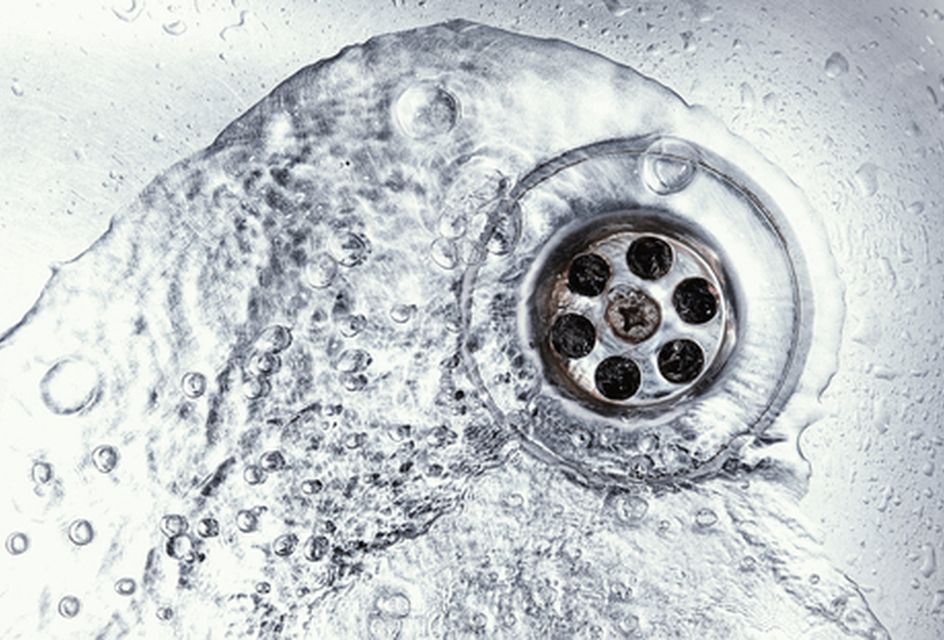
Alongside well-recognised risks from Legionella—which continues to increase globally—other pathogens such as Pseudomonas aeruginosa and related biofilm-associated bacteria can persist in water, on surfaces and within biofilms. These risks are particularly evident at the periphery of building water systems, around taps, sinks, drains and associated pipework, where patients and water come into close contact.
What will the webinar cover?
In this webinar, Dr Susanne Surman-Lee will take a back-to-basics approach to waterborne pathogens in healthcare, focusing on who these organisms are, how they survive within water systems, how they are transmitted, and how patients become exposed.
The session will also explore why some waterborne bacteria are difficult to control, how antimicrobial resistance can emerge and persist in these environments, and the implications for patient safety.
Who is it for?
This webinar is aimed at infection prevention and control and public health professionals, water treatment providers, estates and facilities teams and healthcare designers seeking a clearer understanding of waterborne infection risks.
This webinar is sponsored with an educational grant from PALL Medical.

Speakers
Dr Susanne Surman-Lee
Chair
Dr Surman-Lee is a Consultant Clinical Scientist Registered…
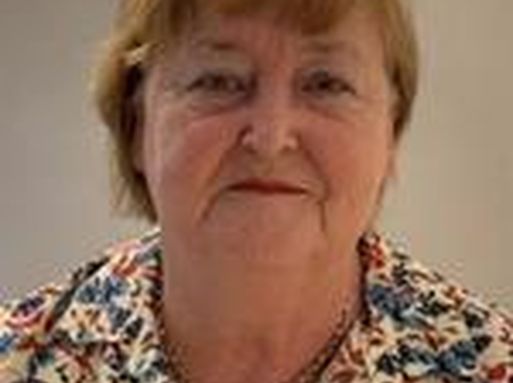
Dr Susanne Surman-Lee
Chair
Dr Surman-Lee is a Consultant Clinical Scientist Registered with the UK Health Professions Council with over 40 years experience in clinical and public health microbiology and practical experience of auditing and investigating over 60 healthcare and non-healthcare premises following incidents, cases and/or outbreaks of water systems and associated equipment nationally and internationally, including from Legionella, Pseudomonas aeruginosa, NTM.
She has also worked as a temporary advisor on water hygiene in healthcare for WHO in the Middle East and was a Member of the WHO working and editorial groups which published Legionella and the prevention of legionellosis (2007) and Water Safety in Buildings (2011).
Susanne has also for over 20 years had input into national and international standards and guidance on water hygiene including for the Health and Safety Executive and Department of Health as well as chairing committees developing key British Standards Institute Water Hygiene Standards which are supporting the UK to achieve the UN Sustainable Development Goal (SDG 6), Clean water and sanitation.
Susanne was also the lead technical author of the new NHS Estates NETB 2024/3 Designing safe spaces for patients at high risk of infection from nontuberculous mycobacteria and other waterborne pathogens.
Manjula Meda
Speaker
Manjula Meda, a consultant in Clinical Microbiology and Inf…
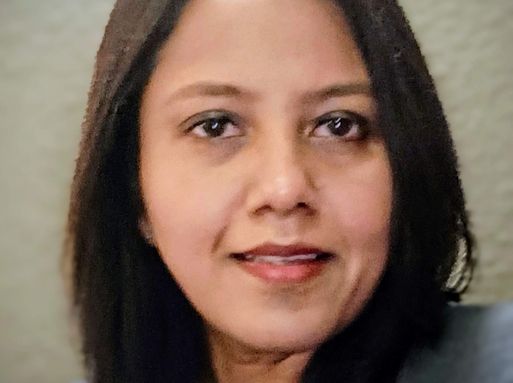
Manjula Meda
Speaker
Manjula Meda, a consultant in Clinical Microbiology and Infection Prevention doctor with over 17 years of NHS experience, is Chair of the Healthcare Infection Society (HIS). She has a special interest in water and wastewater safety in healthcare and combatting in antimicrobial resistance (AMR) through better hospital design. She led pioneering work in the UK in developing the first “water-safe” units at Frimley Health NHS Foundation Trust where she is currently employed. She has led with colleagues, development of the HIS educational course on Water and wastewater safety and the BEIPI (Built Environment Infection Prevention Initiative).