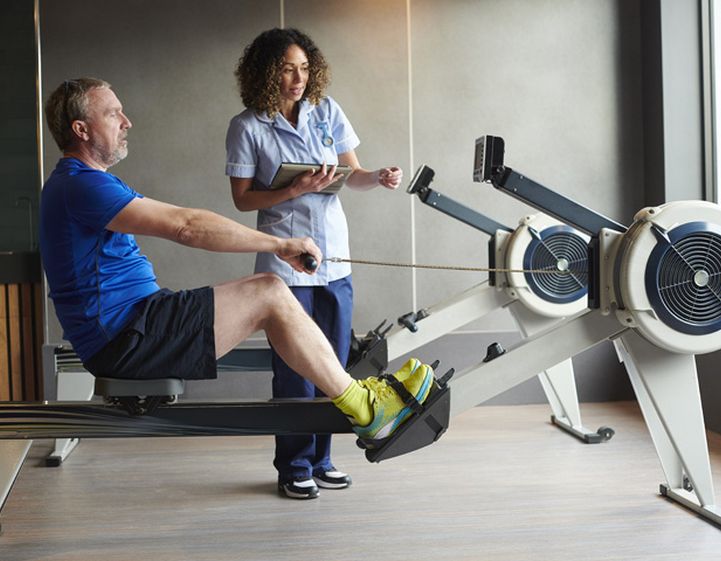
How using physical activity in healthcare can improve lives
Author: Nelly Araujo 24 March 2026 1 min read
By making sure that leisure, health and care systems work together effectively, we can have a real impact on the health and wellbeing of the public.
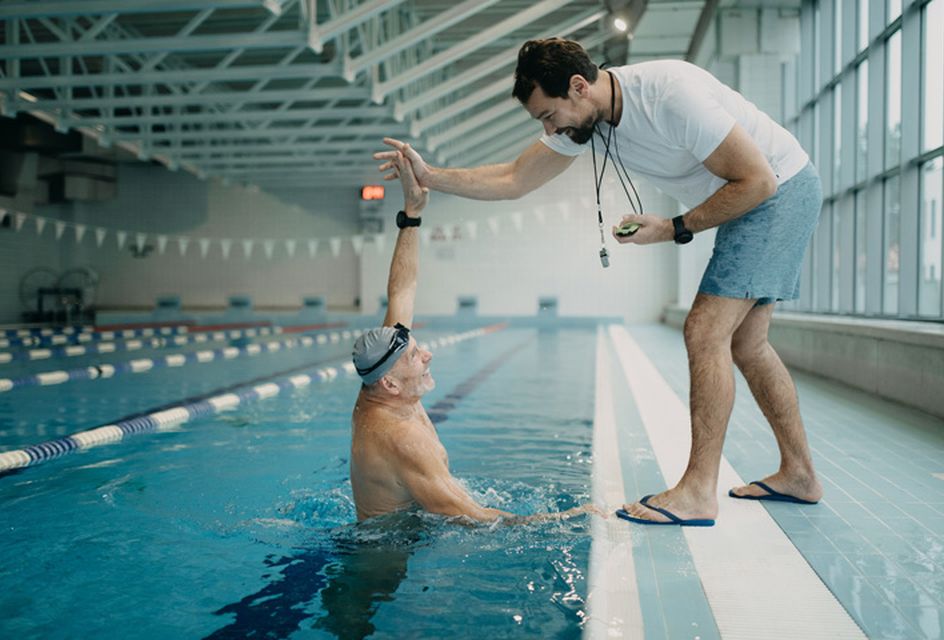
Movement is crucial for good health and wellbeing. Yet it is often left out of our healthcare pathways and is not treated as a core component of care.
A new report from the Royal Society for Public Health (RSPH) and Good Boost has presented the findings from six workshops which how explores how physical activity and therapeutic exercise can be effectively embedded into healthcare referral pathways.
How do we support patients to integrate physical activity into their lives?
By making sure that leisure, health and care systems work together effectively, we can have a real impact on the health and wellbeing of the public.
Social connection and personal support
Relationships and personal support are critical to enabling people with health and wellbeing needs to integrate physical activity into their lives.
For many people, especially those living alone or with long-term conditions, social connection is the most effective tool to do this.
Routine, peer support and a shared sense of achievement are all created through social connection. This can be highly effective in encouraging people to exercise.
We're using a combination of physical activity and socialisation [...] some of these people are the only people that they will see a week.
Leisure Centre Representative

Making services work together
By making sure that leisure providers and health and care work together, services become easier and less intimidating to access and use.
For example, hosting physiotherapy or cancer rehabilitation services in leisure centres can help make the transition from clinical care into community support feel seamless and safe.
Building good referral systems
In places where services trust each other and work together, referral systems run smoothly.
When leisure staff, practitioners and link workers have a good working relationship, they feel confident passing a patient onto a programme, knowing that they understand what it is and how it works.
Outreach work, presence at GP surgeries, community events and trusted voluntary groups all help build the trust that underpins these referrals.
Using digital tools effectively
Digital tools – like tailored exercise programmes, progression tracking and using confidence-building data – can improve accessibility and personalisation.
This can empower participants to self-manage their journey, which can be particularly important for those recovering from musculoskeletal conditions or managing long-term health issues.
Physical activity itself was an enabler [...] they very much understand that [...] the programme is built in a way that it manages by their output and the intensity of the exercise.
Population Health Representative
Building skills and confidence in the workforce
Without skilled staff to carry out these services, referrals can’t happen and people can’t be supported to increase physical activity.
For example, by training leisure staff with the RSPH Level 3 Certificate in Social Prescribing, they can gain the skills and confidence they need to make referrals into the health system.
The physio team feel far more confident and comfortable knowing that our staff are trained and working on the programme, to then make a referral into a setting that isn’t clinical.
Health and Business Development Lead

Challenges persist
Despite strong examples of impact, there are still significant systemic and structural barriers to joining up health, leisure and community support services.
Systemic barriers
The impact that leisure providers can have on health is frequently overlooked, often still being seen as a purely commercial activity. On top of this, access to health services is currently a postcode lottery, meaning health inequalities are exacerbated.
Short-term funding holds back long-term change
Funding for 12-week interventions are common, but rarely long enough to sustain long-term behaviour change.
Once funding ends, participating in physical activity becomes nearly impossible for people from lower-income backgrounds.
Public perceptions
Low confidence, fear of judgement and limited health literacy continue to deter people from using leisure services.
One participant shared a story of someone discharged from physiotherapy with the message “they can’t do no more for me”, only to thrive once supported through a community programme.
What can health and leisure services do next?
There are some clear routes that can be taken to transform how leisure and healthcare services integrate to encourage long-term physical activity:
What can health and leisure services do next?
- Build simple, two-way referral systems so leisure, health and care services can refer or direct people to one another.
- Co-design programmes that support sustained, long-term change in physical activity habits.
- Recognise the value of leisure in improving health and healthcare.
- Improve digital processes to ensure data is shared effectively between services.
- Invest in and train the workforce to help staff gain the skills and confidence they need to refer or direct people to relevant services.
The future of integrated care depends not only on innovations in technology and data, but on relationships, communication and a sustained commitment to prevention.
Leisure is uniquely positioned to make a real difference to people’s lives. With proper support and integration from healthcare services, it could do even more.
Want to find out more about embedding physical activity in healthcare?
Read the full report from RSPH and Good Boost.
Download the report