
As your experience grows, you may find yourself thinking about the next step in your career. For many pest controllers, that means starting their own business.
It’s not something you need to rush into. But over time, as you build your skills, confidence and industry knowledge, going self-employed or launching your own company can be a natural and rewarding progression.
From small local firms to specialist service providers, many of the UK’s most successful pest control businesses were started by technicians who wanted to take control of their future and grow something of their own.

Why start your own pest control business?
Starting a pest control business in the UK has plenty of benefits and could be an excellent fit for your career if you are in the right position to do it. This could mean working in a self-employed capacity or scaling up to manage a company of your own.
In either case, you will benefit from the flexibility that comes from being your own boss. That means setting your own schedule and choosing your own clients. Likewise, you will have control over the brand, operations and ultimately the reputation of your business, which can certainly carry risks as well as rewards.
If you do decide to go beyond self-employment, there is also a great deal of potential for growth. You will have the opportunity to build a team, expand your offering and extend your area of operations, or you could gather similar expertise to specialise toward more niche services.
What you’ll need to start your pest control business
Starting your own pest control business is a big step, but it's one you can prepare for. Alongside your trade-specific knowledge of the industry, it will help to develop the skills and knowledge that any small business needs to thrive.
This includes an understanding of business planning, budgeting and finances, alongside the skills to effectively market your services to potential clients – whether through digital marketing, social media or more traditional routes.
Before setting out as a small business, it is essential that you familiarise yourself with regulations and compliance considerations, as well as any necessary insurance. Whether a sole trader or a small business owner, you will be operating without the safety net of a larger employer, so it is worth making sure you are protected.
Lastly, you should make sure to cultivate strong relationships across the board with suppliers, partners and customers. Your reputation cuts across all of these, and regardless of whether it's online or through word of mouth, a good word can go far.
Challenges and Rewards
Running your own business can be challenging, particularly when it comes to managing cash flow, winning new contracts, staying on top of regulations and, of course, competition. But with the right support, it can also be highly rewarding. Many pest controllers say the biggest benefit for them is the sense of pride in building something of their own and contributing to raising standards in the industry.
Tips from someone who’s been there
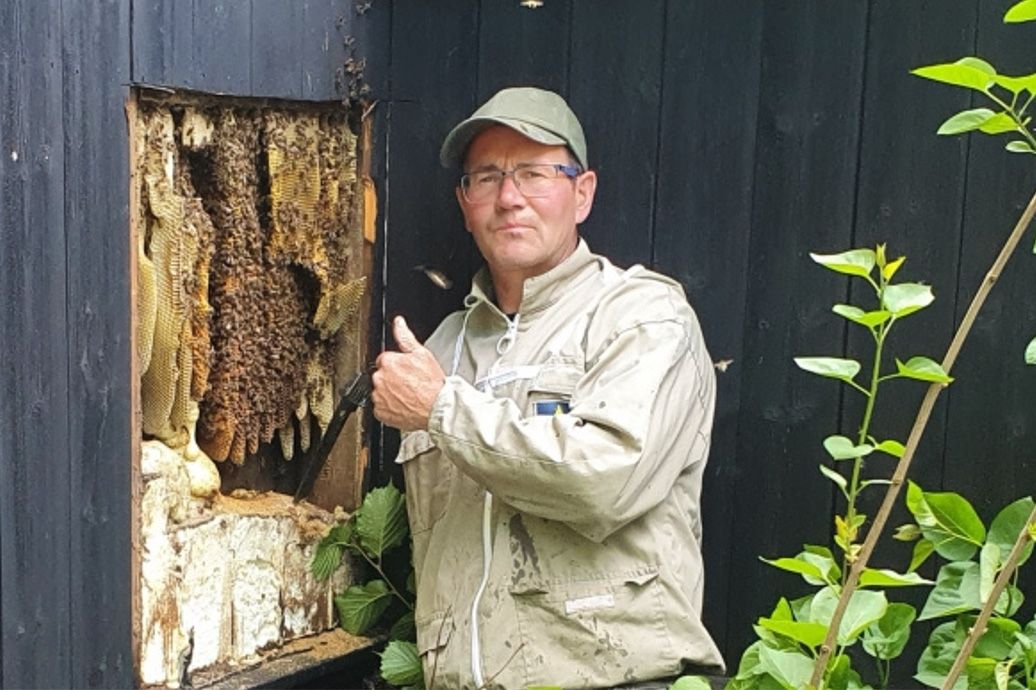
Martyn – ABM Pest Control
I started out in 2004 with just the basics. Joining a trade association early on made a massive difference. It gave me confidence knowing that support was only ever a phone call away. It also opened the door to understanding my local competition in a healthy way.
From there, I connected with other technicians at local roadshow events. We shared skills and offered each other backup when workloads got heavy. That network has grown over time, and I now regularly collaborate with eight local companies. We pass work between us when needed and even get together for a Christmas lunch to catch up properly.
Lessons from the Early Days
Filing my own self-assessment tax returns was a minefield at first. It was stressful and one part of the role I never looked forward to. After four years, hiring a local bookkeeper was one of the best business decisions I made. They now oversee my accounts and handle submissions.
Switching to accounting software like QuickBooks also changed the game. I can now invoice clients between visits instead of waiting until the evening. It’s saved a lot of time and helped me run things more smoothly.
The Reality of Running Your Own Business
Long hours are definitely part of it. Even if your last job finishes at 6pm, you’ll still need to plan for the next day, take calls, respond to bookings, write up reports, and keep on top of accounts. But I find it all part of the challenge — and ultimately very rewarding.
Take your first steps to starting your own pest control business
Whether you’re just starting out or seriously considering going solo, find the training, guidance and resources you need to start your journey as a pest control business owner.
Find out more