Pest control is no longer just about traps and treatments.
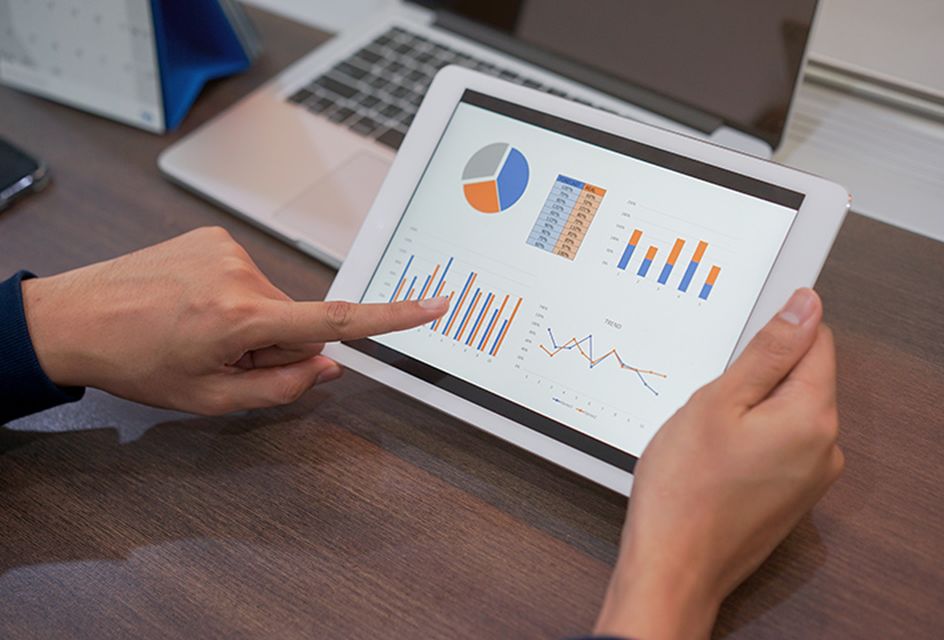
Today, many companies use powerful pest control data, reporting systems and smart technologies to track pest trends, improve service, and support clients more effectively.
What Kind of Data Do Pest Controllers Use?
In order to support decision-making, compliance, and public health outcomes, modern pest professionals collect and analyse a range of information, including:
- Pest activity logs (rat sightings, insect counts, trap activations)
- Inspection findings (entry points, hygiene risks, proofing issues)
- Treatment effectiveness (what is working, where, and why)
- Site-specific risks (such as food safety non-compliance in commercial kitchens)
- Client trends (reoccurring problems, seasonal patterns)
Online reporting systems for pest control
Most medium and large pest control companies, and even many local businesses, now use digital tools for:
- Mobile reporting on phones or tablets during visits
- Real-time client access to treatment logs and site maps
- Dashboard reporting for trend analysis
- Audit-ready documents for food safety, BRC, and other standards
- Automated alerts if pest activity exceeds agreed thresholds
These platforms save time, improve accuracy, and allow better tracking across multiple sites.
How data impacts your pest control career
Understanding how to collect, interpret, and act on data is a big part of being a modern pest controller.
Learning how to utilise data in pest control will help you to gain skills in:
- Using mobile apps and job tracking software
- Logging key findings in a structured format
- Creating and reading data-driven reports
- Communicating insight to clients and colleagues
- Contributing to sustainable, evidence-based pest control
Why better data means better pest control
By analysing trends and identifying recurring issues, technicians and managers can spot seasonal pest cycles, target problem areas more effectively, reduce the need for repeat visits, recommend long-term preventative solutions and help clients stay compliant with food and safety regulations.
All of this together means that pest control work can focus on effective, holistic approaches that allow for more efficient working practices for pest controllers and better outcomes for clients.
Smart technology in pest control
The pest control industry is evolving. As technology advances, more companies are embracing smart systems to improve the way they monitor, detect, and manage pest activity. This shift isn’t just about gadgets, it’s transforming how we work, what skills are needed, and how we protect public health and the environment.
Smart pest control uses connected devices and real-time data to shift from reactive treatments to proactive, targeted interventions. As the industry moves forward, the use of artificial intelligence (AI) is expected to further revolutionise how we manage pest threats.
What is Smart Pest Control?
Smart pest control uses technologies such as motion sensors, heat detection, and cloud-connected traps to gather accurate, real-time information. The benefits include:
- Early detection of pest activity
- Reduced pesticide use
- Precise, targeted treatments
- Remote monitoring through apps and dashboards
- Data-driven decisions that improve service outcomes
This approach allows professionals to act faster, reduce environmental impact, and deliver a better experience for clients.
How Smart Technology Works
Sensors and Smart Traps
Devices are fitted with sensors that detect motion or temperature changes. These tools identify pest presence and trigger alerts when activity is detected.
Data Analysis
Current systems provide data to support teams who share updates with technicians and clients. In future, AI will analyse this data automatically, predicting outbreaks and identifying trends without manual review.
Remote Monitoring
Connected systems allow technicians and clients to access live updates via dashboards or mobile apps. This means less site time and quicker responses.
Why Smart Pest Control Matters
- Early Detection and Prevention - Spot issues before they escalate. Real-time alerts allow swift action that protects properties and minimises disruption.
- Reduced Pesticide Use - Only treat where and when needed. This improves safety and sustainability by reducing unnecessary chemical use.
- Precision Control - Focus resources on specific pests in specific areas. No more blanket treatments, just effective, targeted action.
- Remote Monitoring - Monitor multiple sites from one location. Save time and reduce the need for repeat visits
- Data-Driven Strategies - Learn from trends. Use data insights to prevent future problems and provide clients with valuable reporting.
- Improved Efficiency - Smart tools reduce manual labour, increase productivity, and scale with business growth.
A Changing Industry
The rise of smart pest control is creating new roles and skill requirements. Whether you're already in the industry or considering it as a career, this is an exciting time to get involved.
From field technicians using mobile reporting to specialists managing AI-powered systems, the future of pest control is smart, sustainable, and full of opportunity.
Considering a career in pest control?
Pest control is a skilled, respected, and growing profession that welcomes new talent. Whether you are leaving school, retraining or exploring your next move, this could be the career path you've been looking for.
Find out more