Protecting Public Health. Solving Problems. Every Day.
Pest control is more than removing unwanted pests. It is a vital public health service that blends science, technology, and hands-on problem-solving.
From wasp nests in school playgrounds to rodents in food factories, pest professionals step in to protect people, businesses, and communities from harm. It is a career that makes a visible, meaningful impact every single day.
The real impacts of pest control careers
At every level, from working with individual clients to the cumulative public health benefits, pest control is a career that's about protecting people as well as communities.
Every day, pest professionals help protect:
- People – from bites, stings, infections and contamination
- Property – by preventing damage caused by rodents, birds or insects
- Public spaces – by ensuring safe environments for members of the public, families and working people
- The environment – by using legal, responsible, and sustainable methods to avoid damage while keeping people safe
What are the key tasks for a pest controller?
1. Survey and Assess
At the beginning of a job, pest controllers start with a thorough site inspection to identify signs of pest activity, assess risks, and understand the environment.
This involves looking for signs of infestation, identifying pest species, assessing risks to health, safety, and operations, and using tools like UV torches, tracking dust, cameras and traps to spot signs that might evade the naked eye.
2. Plan and implement
Once the situation is understood, pest professionals plan and carry out the most appropriate method of control.
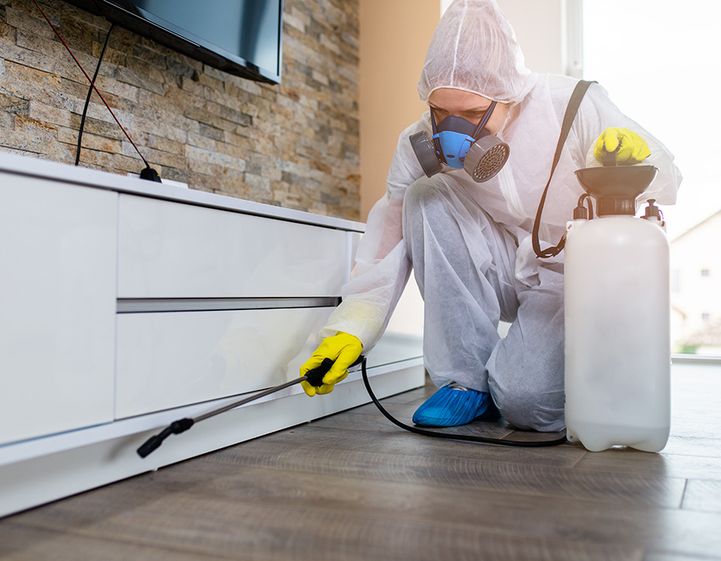
This could include physical control such as traps, proofing or exclusion, environmental control such as removing access to food, water, and shelter, chemical treatment where needed (always following strict safety regulations) or even biological and smart-tech solutions where suitable.
3. Use Technology and science
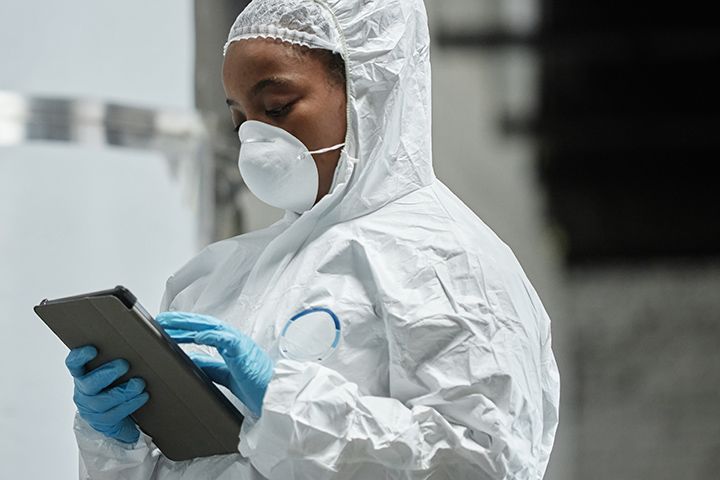
Modern pest control uses smart systems and data tools to improve effectiveness and reduce environmental impact, including smart traps and sensors, temperature and humidity data, digital reporting and treatment logs, species-specific approaches, and environmental protection.
4. Communicate and advise
A big part of a pest controller's job is talking to people. Dealing with a pest infestation can be a stressful experience, so it's important for pest controllers to communicate with clients in a clear, friendly and considerate way to help minimise their worries.
Some of the most important pieces of information to communicate are the findings and necessary actions (including how they work and if they come with any additional considerations), advice on prevention, and information for legal compliance.
Communicating this information clearly can help to build trust and foster long-term partnerships.
5. Stay safe, legal and compliant
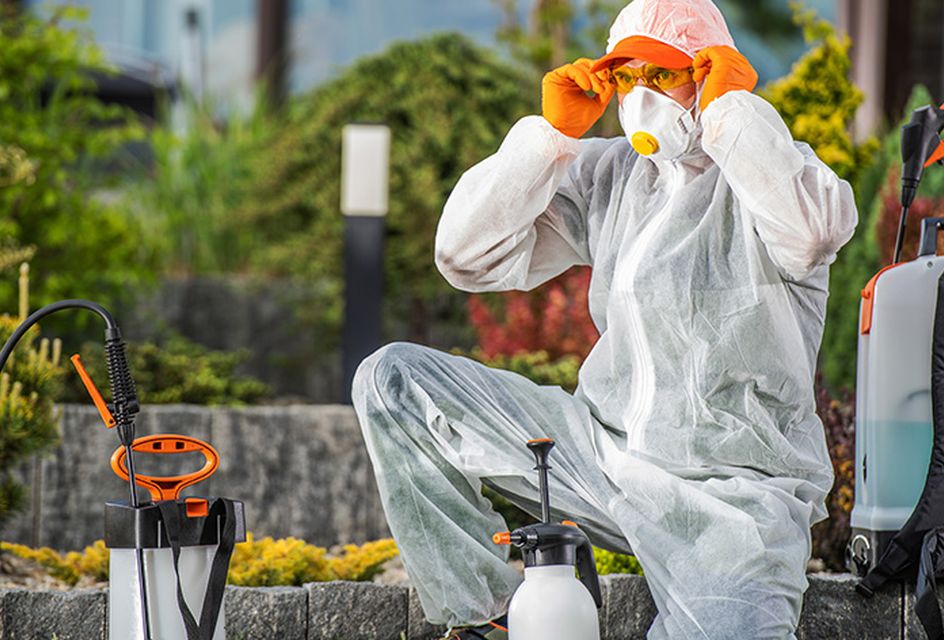
Because of the nature of the job, which can involve measures to manage certain kinds of pests that are hazardous or even lethal to them, pest controllers need to follow strict legal and ethical frameworks.
These include:
- Health and safety procedures
- Risk assessments and method statements
- Legal use of pesticides and rodenticides
- Environmental risk assessments
- Protection of non-target and protected species
All of this is vitally important – not only to enable to you to carry out your job in a way that's safe for yourself, your clients, and to manage animal wellbeing responsibly, but to protect yourself professionally and legally.
Many pest professionals also take part in continuing professional development and gain further qualifications over time, which can help to stay on top of the latest requirements of the role and help with career progression.

Transferable skills from pest control
Pest control helps you build a set of practical, respected, and future-proof skills:
- Working independently and making decisions on site
- Communicating with a range of clients and colleagues
- Using digital tools and smart devices
- Applying scientific thinking in real-world environments
- Managing time, risk, and safety with confidence
These are skills you can take into specialist roles, leadership positions, or even your own business.
Considering a career in pest control?
Pest control is a skilled, respected, and growing profession that welcomes new talent. Whether you are leaving school, retraining or exploring your next move, this could be the career path you've been looking for.
Find out more