Vaccines are harder to access than they should be. Here’s what we can do about it.
Author: Fernanda Aguilar Perez 29 April 2026 1 min read
Improving vaccine uptake goes beyond hesitation and misinformation.
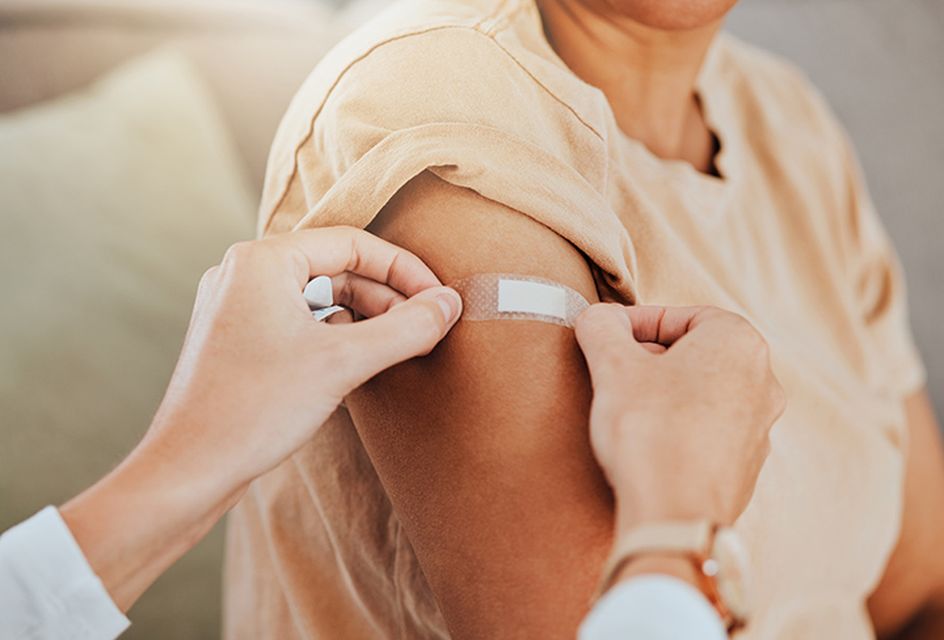
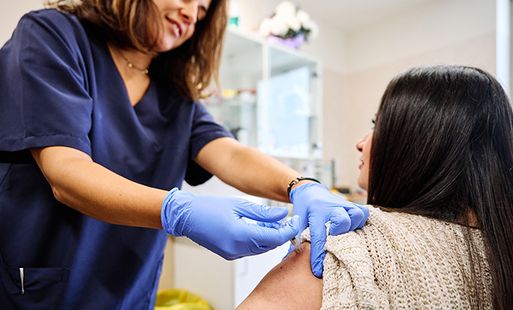
Every year, by the end of April, countries across the planet celebrate World Immunisation Week. It’s a fantastic opportunity to highlight what vaccines do and the positive impact they have on our lives by protecting us from infectious diseases and severe illnesses.
But we aren’t just celebrating vaccines; we are fighting to get them to the people who need them. That starts with access.
The risk from falling vaccine uptake
Trends in vaccine uptake in the UK are deeply concerning. Last year nearly one in five children starting school in England missed their pre-school booster. This means that more than 120,000 children started their education journey vulnerable to conditions such as whooping cough, polio and tetanus.
This is just one of many examples of missed or declined vaccinations creating health risks – not just at an individual level but as a systemic public health issue.
What’s stopping people from getting vaccinated?
Although vaccine misinformation is often cited as a significant reason why people would not get vaccinated, the problem is also deeply structural. Very often, people just cannot access vaccines.
Poor public transport, lack of employer support, and financial, care or other life pressures mean that difficult-to-access appointments become obstacles for those who want to be protected. A parent who cannot take their children to a GP clinic because they cannot afford the bus will be forced to send them to school unvaccinated, despite their best intentions.
Tackling vaccine hesitancy is a serious challenge on its own, so we cannot stand by while people who already want to be vaccinated aren’t able to.
What can we do about it?
In light of this, we are celebrating World Immunisation Week by raising awareness on the importance of improving access to vaccinations and we are inviting you all to take action.
RSPH has established a new Commission on Access to Vaccines, the aim which is to understand the issues and barriers people face when trying to access or deliver vaccination in the UK. This is a collaborative working project between RSPH and Pfizer Ltd, which is funded by Pfizer and is non promotional. Pfizer will review associated materials for medical accuracy and to ensure regulatory compliance.
We would like to invite you all to share your knowledge and vaccine journeys by telling us how access to vaccination can be improved in practice. We are particularly interested in learning from real life experiences, including challenges encountered and any actions taken to address them.