Putting local places in control: RSPH welcomes government high street announcement
Author: RSPH 11 August 2026 2 min read
New plans will give communities and councils more power to shape the future health of their high streets.
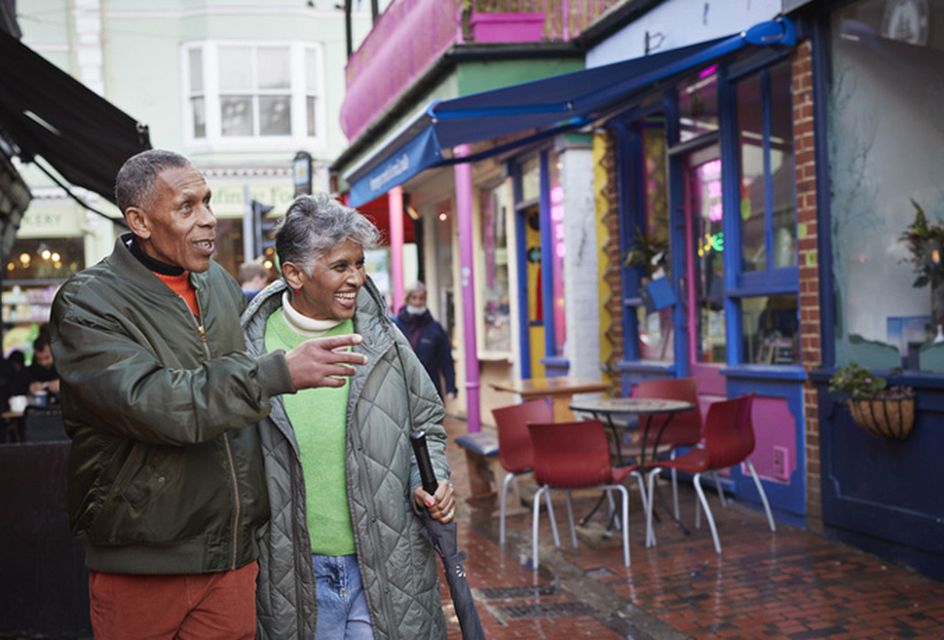
The government has announced plans to give communities and councils more power to shape the future of their high streets, helping local places make decisions that better reflect local needs and priorities.
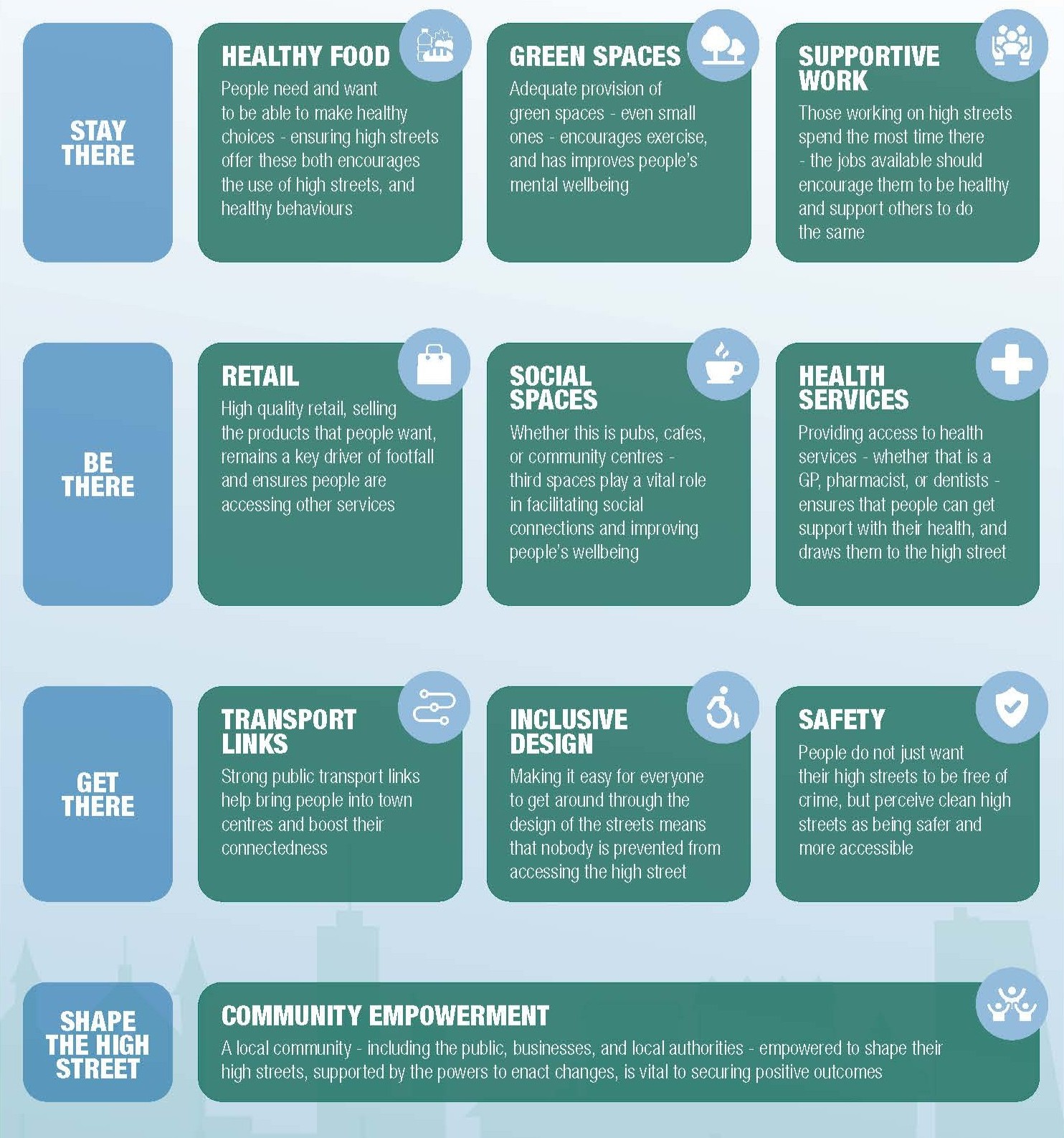
This move broadly aligns with our landmark 2025 report, Streets Ahead: Building Health on the High Street, which set out how high streets can support healthier, more connected communities. It makes the case for places designed around health, wellbeing and local needs, not just commercial activity.
This report also highlights the importance of community empowerment, diverse local services, safety, social spaces and creating environments that support healthier choices.
Giving people and local authorities a stronger voice in decisions about the future of their high streets is a positive step. One important outcome should be better planning for the mix of outlets, services and community spaces in each place, as part of a wider long-term strategy for renewal and investment.
Why does this matter for public health?
For RSPH, this matters because high streets are not only economic spaces. They are everyday environments that shape access, connection, safety and opportunity.
A successful high street is not simply somewhere to shop. It is somewhere people can reach easily, spend time safely, access services, meet other people and participate in community life. At RSPH, we talk about this in terms of creating places where people can get there, stay there, belong there and thrive there.
The quality of our local environment has a major impact on our health. High streets that work well make it easier for people to reach services, spend time safely, connect with others, be active and take pride in where they live.
One of the strongest messages from Streets Ahead was that people are more likely to use and value their local high street when they feel involved in shaping it. Communities understand their places better than anyone else, and a stronger voice in local decisions can help ensure high streets reflect local needs.
But this is not about singling out any particular type of business. The issue is whether high streets provide the right balance of shops, services, community assets and social spaces that local people want and need. Successful high streets tend to have diversity of use, rather than over-concentrations of any one type of premises. Communities need to be able to balance that for themselves.
Planning for a balanced mix of outlets
A balanced approach is needed. Vaping can be an important smoking cessation tool for adult smokers, while local authorities also need appropriate oversight of where vape shops are located, particularly around schools and places used by young people.
The emphasis should be on preventing youth uptake, supporting appropriate retailing and giving communities proper local oversight, while keeping the wider focus on how high streets can support health and wellbeing.
Gambling harms can have significant impacts on individuals, families and communities. Giving councils greater discretion to consider local circumstances, community concerns and the overall mix of premises is a sensible part of a wider discussion about healthier high streets.
Collaboration and dialogue are essential
There is no single measure that will restore Britain’s high streets. Successful places depend on joined-up local leadership, community involvement, good transport links, attractive public spaces, varied retail and access to the services people need.
That is why this announcement should be seen as part of a wider opportunity: to put local places in control of high street renewal, strengthen community voice and create healthier, more balanced places where people can get there, stay there, belong there and thrive there.
Our Health on the High Street framework
Our Health on the High Street framework helps describe what good looks like from a public health perspective: people need to be able to get there through accessible, affordable and safe transport; stay there through attractive, welcoming and inclusive public spaces; belong there through community ownership, social connection and local identity; and thrive there through access to services, opportunities and environments that support healthier choices.